The second wine: how to drink the famous estates without the famous price.
Almost every famous wine has a version that costs a fraction of the price, made at the same estate by the same people behind the big names. Buying these wines is a great snapshot of how their flagship might taste. Often, these wines are well made and enjoyable. This is how you find them.
I learnt it by pure coincidence, without realising it. In my early twenties, while I was living in Western Australia, we'd do the occasional drive down south to Margaret River to visit the cellar doors. You often got great prices, and you could just roll up without a booking or reservation- the good old days. You got to taste everything for free, and five dollars to taste the flagship, and if you bought the bottle, you got your five back. So you'd stand there and taste a producer's whole range, from the everyday bottle all the way to the top of the range. But I noticed something interesting in retrospect. The bottles right before the flagship that made you go wow are often very, very enjoyable, and a lot cheaper, almost exponentially. These bottles are often about 80 to 90 per cent of the enjoyment level of their flagship. I didn't notice the trick until it became a pattern across many years of tasting during vineyard visits.
Source: https://www.lafite.com/domaines/chateau-lafite-rothschild/taste/
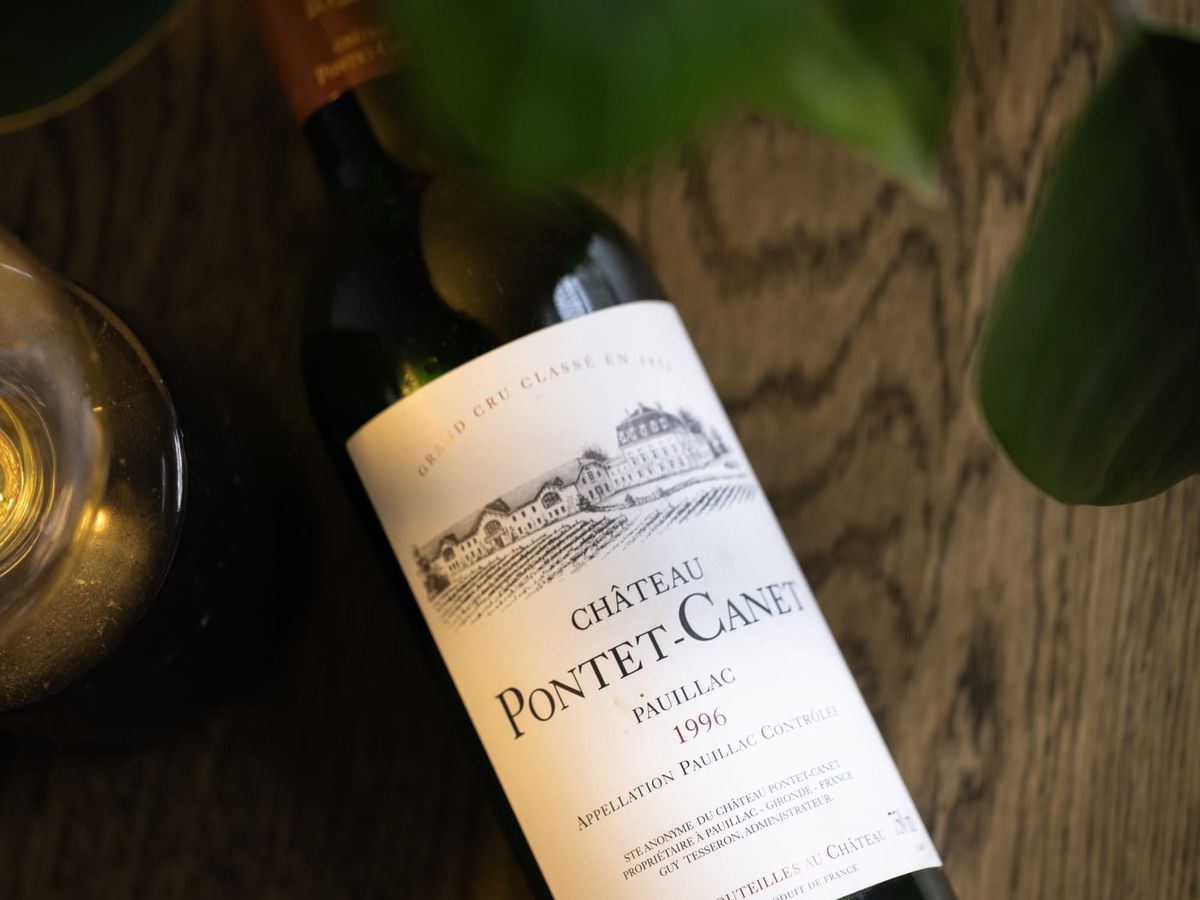
This isn't a new concept, and it's not just for the estate's sales and marketing either. It's logical and makes strong economic sense. In Bordeaux, the First Growth châteaux put their wine through an extremely stringent selection process. Often, a huge percentage of that year's wine doesn't make it, and it makes no sense to discard any of it. The economical and logical thing to do is to declassify it from the flagship and bottle it as the second wine. For example, a bottle of Château Lafite Rothschild is classified as first growth, Premier Cru Classé, in Pauillac, while Carruades de Lafite is sold under the Pauillac AOC appellation, the same one any estate in the village can use. And often it's made from the same grapes, grown in the same area. Those parcels just didn't clear the selection. These wines have usually already been through vinification and are sitting in barrels, so during the tasting process, some batches make it and some don't. The care that went into making them is pretty much identical. Yet because it's the second wine, in Lafite's case, it sells for a fraction of the flagship's price.
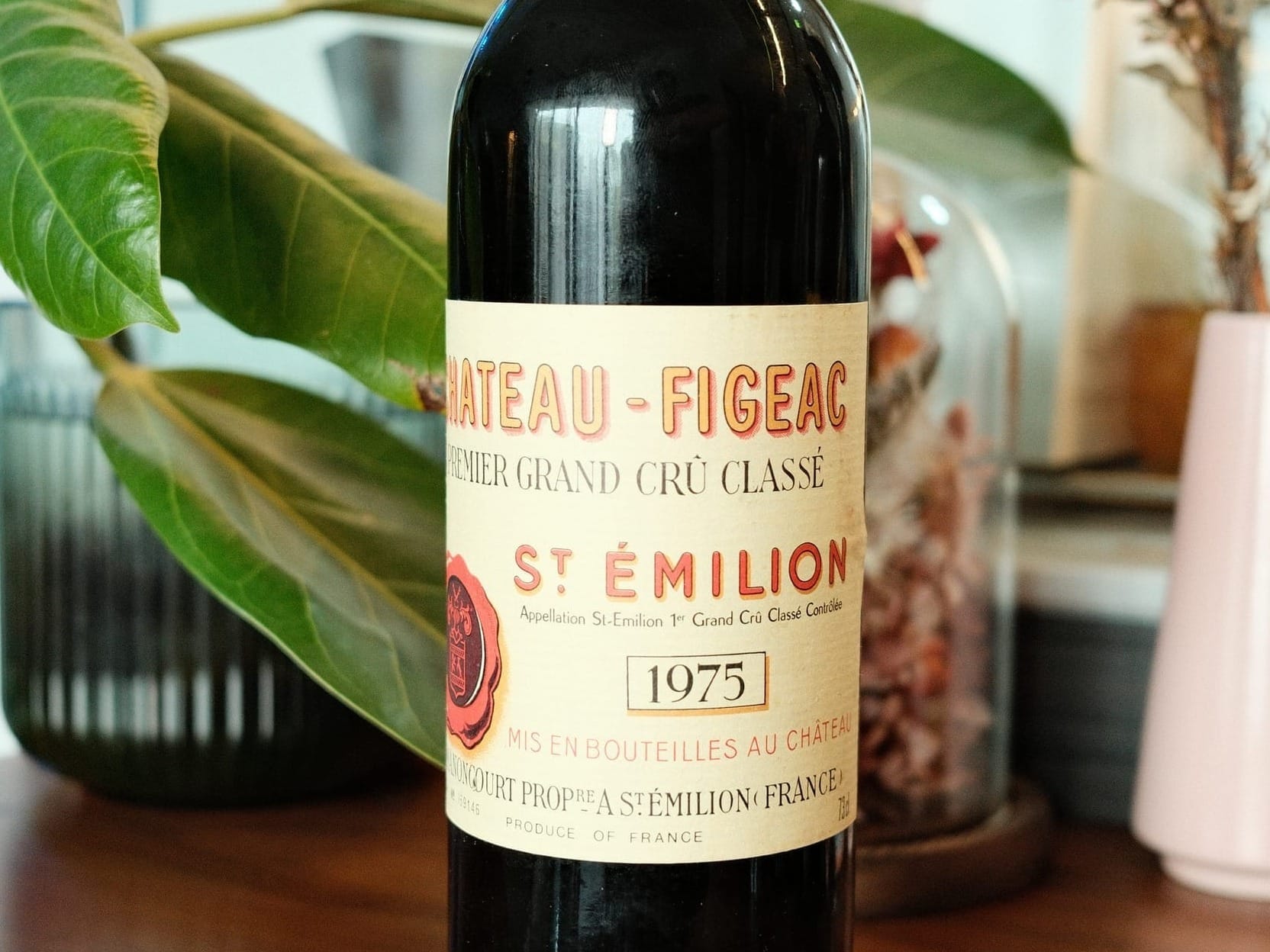
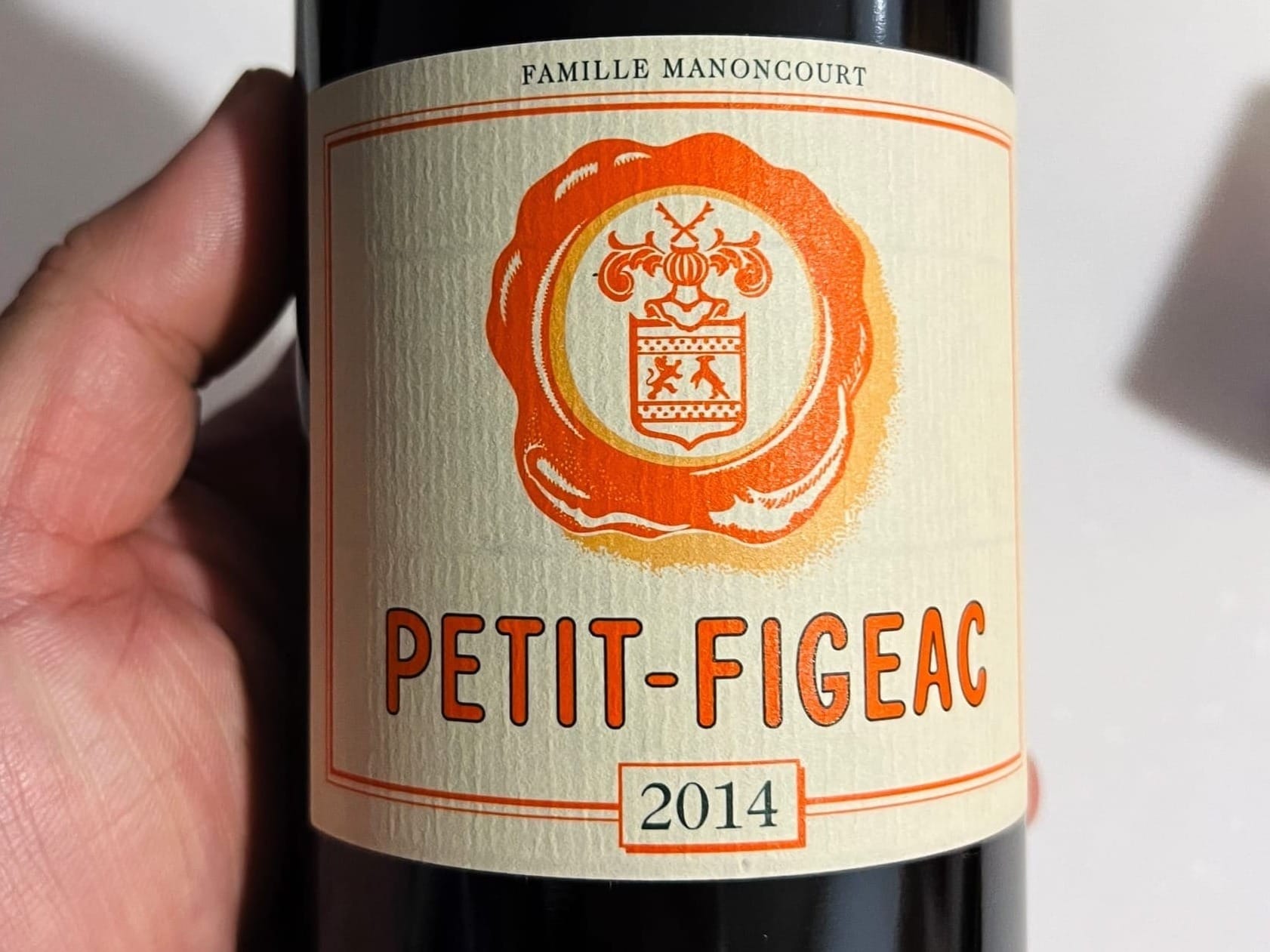
Many other estates make a second wine too. Château Margaux makes one called Pavillon Rouge, and winemakers around the world have adopted the idea too. Clos Apalta, this week's feature in the Cabernet Sauvignon series, has a much cheaper second wine called Le Petit Clos; Ornellaia in Tuscany has Le Serre Nuove. Even the great Screaming Eagle from Napa has one, called The Flight, which started life under the name Second Flight. The naming is different and can be creative, but the idea is the same. It doesn't just protect the wine's quality and reputation. It also lets the estate sell the wine that didn't make the cut, it's economically sound, the pricing stays attractive for drinkers, and it created a whole new category of wine in the market.
But in this adaptation, some countries do it differently, and I'd consider it a ladder system. Take Howard Park, the producer of the bottle that started my whole wine journey. They make four Cabernet Sauvignons. Miamup is the entry-level, which costs around $30. Leston and Scotsdale are single-vineyard wines around $50. The Aberceombie is the flagship, blending the best of those same two vineyards, though in recent vintages it has moved to a single vineyard. So $50 wines are the producer's version of a second wine, whether anyone calls them that or not. My theory about ladders, from years of climbing them: as you go up, the wine gets more precise and defined. As you go down, you can still recognise it, it just gets fainter. Which means the category below the flagship is usually the sweet spot for actually drinking. Other parts of France run this same concept too, in a completely different way.
None of this appears on the label, and that's the catch when shopping online. A webshop listing for Le Petit Clos won't mention Clos Apalta. The key to identifying it is the producer's name. In this case, Clos Apalta is Domaines Bournet Lapostolle. So on the Le Petit Clos, you'll find the same producer name. The same goes with the listing of Howard Park Leston, which will not tell you that Abercombie exists above it. So this happens in the search bar. When a bottle you've heard about is out of budget, look up the producer and open their range. Many of these estates show the whole ladder on their own website. Find the famous bottle, then look one step down. That's where you'll often find the value.
Then comes the question: is the cheaper bottle as good as the flagship? Usually not, honestly. It's still seriously good wine, and it usually can be drunk earlier, which makes it more useful for a normal night anyway. But there's a flipside, too. An estate tends to make all its wine in a similar way. So the second wine is your preview of the famous one. If you love it, you know the big bottle is worth saving for. If you don't, you just found that out for $50 instead of $300.
It normally takes years of tasting and research to map this out. The shortcut is your phone. At home it's a quick search, and honestly, I do it standing in the shop too, especially when the bottle I want to try is costly. There are no rules, so estates name these wines however they like. But that's the fun part of wine. You'll often be pleasantly surprised when a second wine you bought for a fraction of the flagship's price turns out delicious.
Got a big name in mind? Reply with it, and I'll tell you where the ladder starts. And if you want each week's lesson in your inbox, subscribe below. It's free.