
What temperature should wine be served at?
Beginner Series No. 2
You've heard the rule: chill whites, serve reds at room temperature. It's the oldest serving advice in wine, and if you live where I live, it's usually not that recommended. You could follow the rule if you live outside the equator, where "room temperature" meant a dining room around 16 to 18 degrees. Room temperature in Singapore is past 30. Keep your AC running; it'd be 25 - 27. Serve a red at room temperature, and you're probably going to find it unenjoyable.
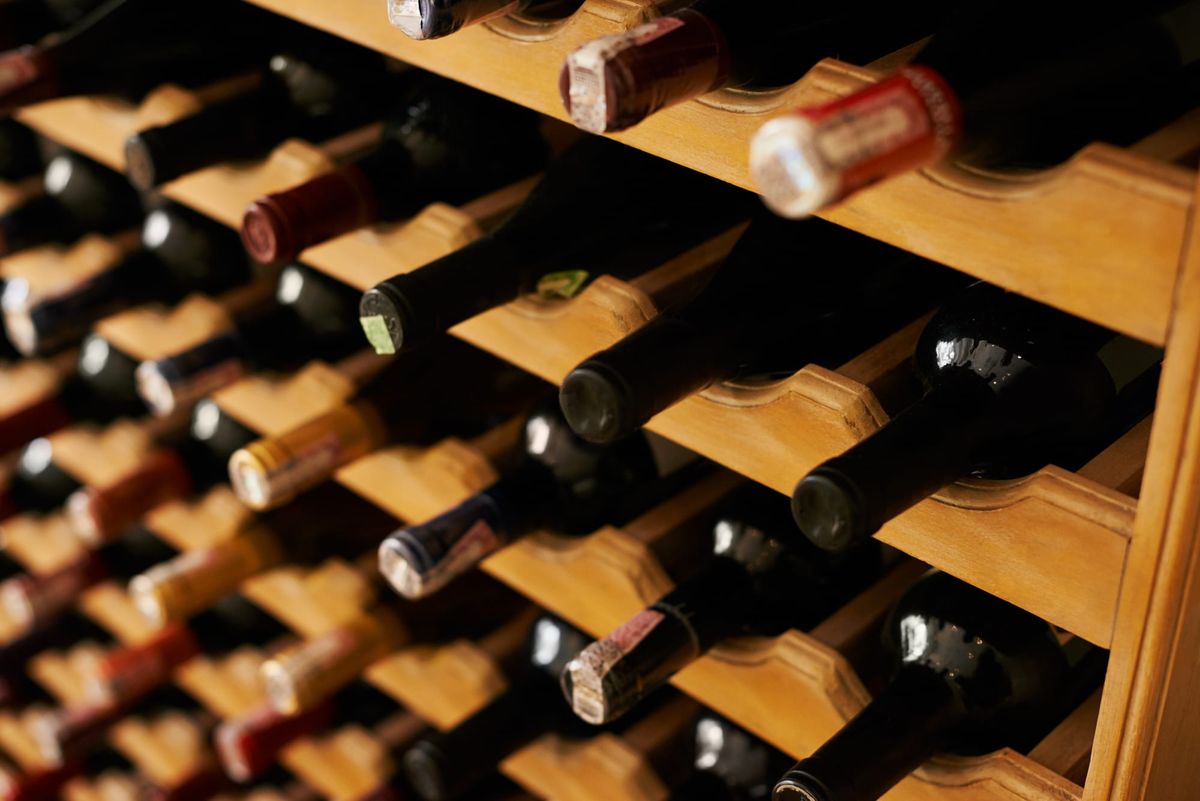
One of the things that often makes me wonder when I started drinking wine is: why are these wines so much more enjoyable when I'm tasting them in the cellar? When I bring the same exact wine home, it's almost like the magic is lost. It happens everywhere, and it's the same whether I'm anywhere in the world at any vineyard, and especially when I bring it back to Singapore. The thing is, I didn't have wine storage until much later; I only owned a tiny wine chiller, and it only has one temperature setting: either white wine or red wine. And logically, you set it to the white wine temperature, because you could always take it out a little more to let the wine warm up a little bit. Through the years of tasting, especially when you are relatively new to wine drinking, these are not the first things that come to mind; you kinda just pop it open and drink it.

How temperature works in wine in the glass is that warmth opens a wine up: the aromas lift, the alcohol shows more, everything gets more obvious. Cold does the opposite: it mutes the aromas, sharpens the fresh feeling, and hides the fruit. Neither direction is good or bad. The idea is to drink it in the zone where the wine shows its best, and what we do in the tropics by default is the opposite.
The second half of the problem is what we do to whites. If we don't have a wine chiller. We will put it in the fridge, and straight from the fridge, a white wine is close to 4 degrees, and at that temperature it's basically asleep. You won't smell anything at this temperature. If a white ever seemed boring in the first glass and better in the last one, that's probably what happened: by the time you drink till the last 30% of it, it finally warmed up enough to wake up.
So forget thermometers and remember two things. In Singapore, put your red in the fridge for 20 to 30 minutes before you open it. Yes, the red. It should feel slightly cool in your hand, not cold, not room-warm. And your white comes out of the fridge about 20 minutes before you pour it. That's the whole method: reds in, whites out, twenty minutes each. It costs nothing, and it improves almost every bottle you'll ever open at home.
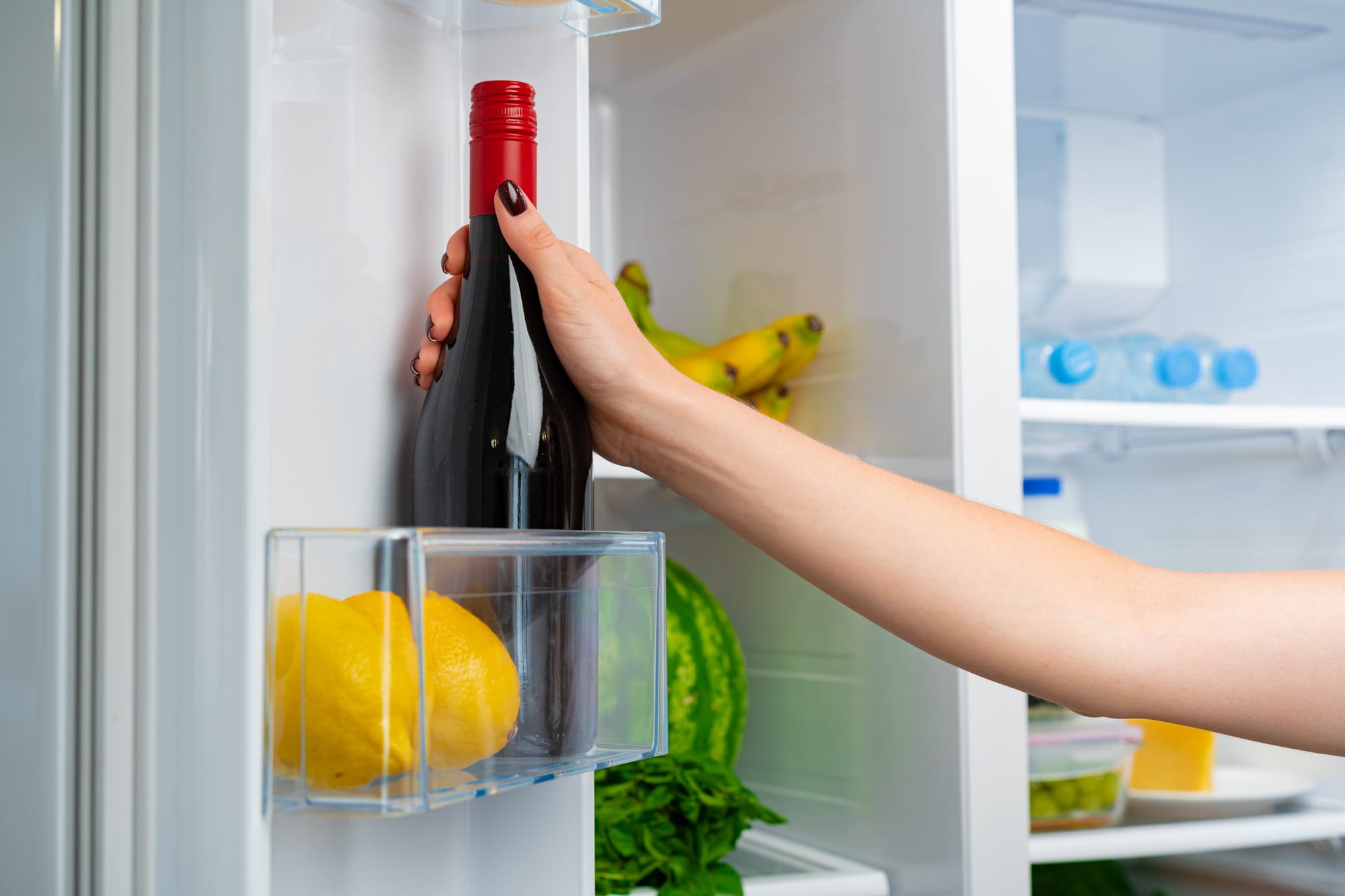
And one myth while we're here: chilling red wine is not a crime. Lighter reds actually love a proper chill. Pinot Noir and Gamay, the Beaujolais grape, are the classic examples. And if you ever spot a Zweigelt from Austria or a Frappato from Sicily, grab it; those two are practically made for an ice bucket. If anyone gives you a look for putting a red in an ice bucket for a few minutes, they're following a rule for a climate they're not in. At a restaurant, asking for a quick ice bucket for your red is a completely normal request, and on our side of the world, it's often the right approach.
Last thing: your wine will warm in the glass as the night goes on, and that's fine. It's actually a great way to enjoy the stages of wine changing and opening over an evening. Start on the cooler side, and let dinner do the rest.
What's the warmest place you've been served a red? Reply and tell me; I have my own answer. And if you want each week's lesson in your inbox, subscribe below. It's free.