The Bordeaux I open on a Tuesday
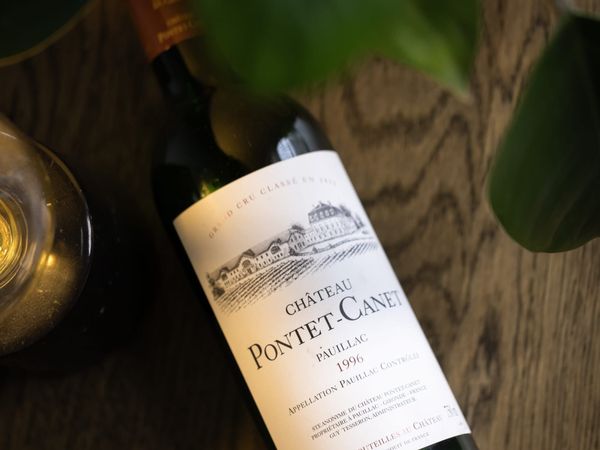
I don't open a Pontet-Canet alone on a Tuesday.
A bottle like that is for sharing and enjoying with friends, and on a Tuesday there's just me, a glass, and dinner. So the bottle I go to regularly is either something that I can Coravin, or something that’s for the everyday drinking mood. Often, it’s exploration, and sometimes it’s a Haut-Médoc I have never seen on a list, and that is what this post is about.
The years at the top
When you start drinking Bordeaux, the first thing you learn is the top. The five First Growths: Lafite, Latour, Margaux, Haut-Brion, Mouton. Then the seconds. Then the game everyone ends up playing, which growths drink above their rank: Palmer as the super third, Pontet-Canet as the super fifth. I spent years on that, and I'd tell anyone to do it, because you have to drink the great ones to know where the benchmark is at and what winemaking at that level tastes like.
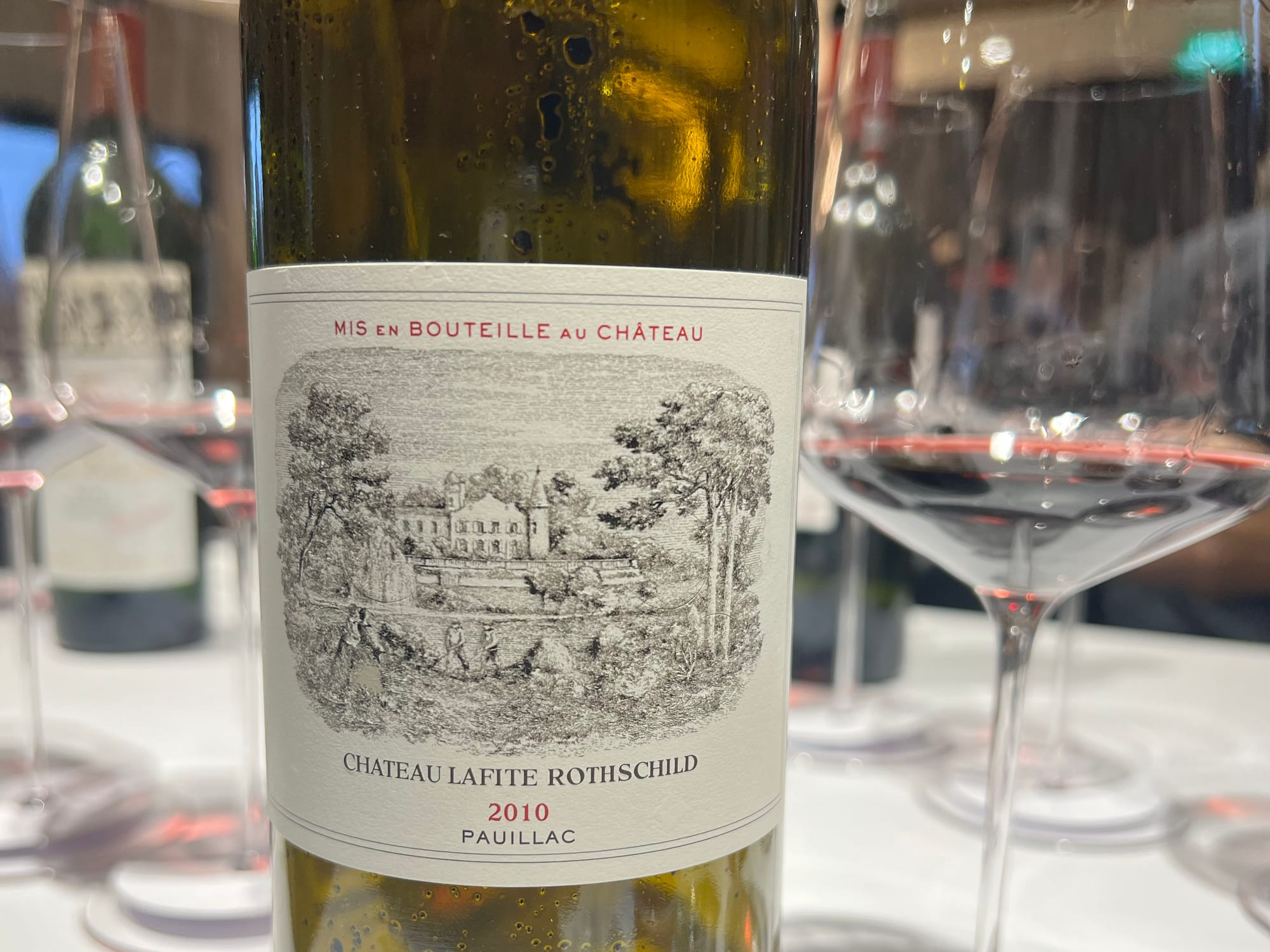
But if you only ever drink the top, your idea of Bordeaux is off. You need the regular bottle too, and the one that disappoints, so you have the full range from excellent to bad. The 1855 classification covers 60 châteaux and about a quarter of what the Médoc makes. The other three quarters are where a regular person drinks, and I include myself in that.
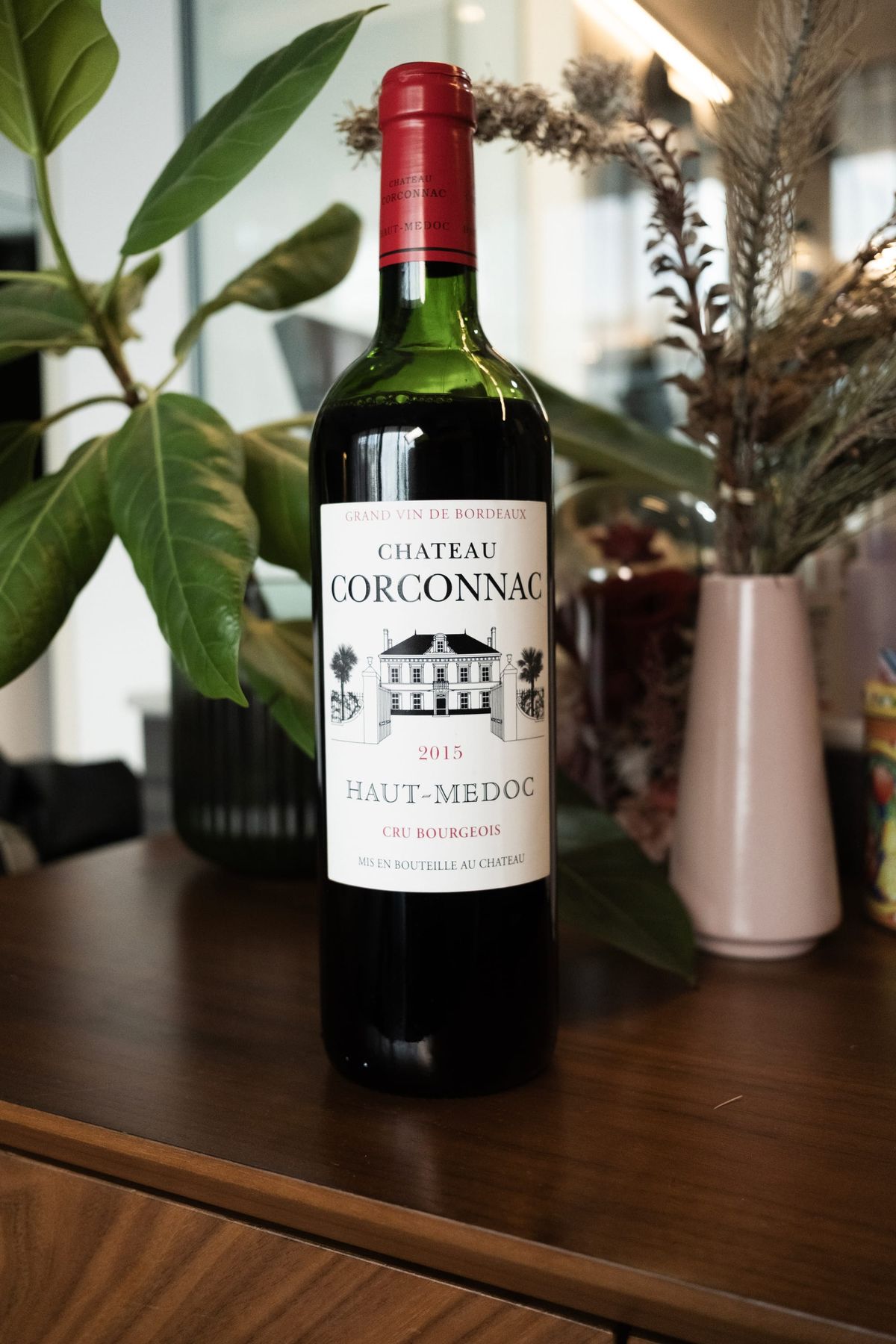
Château Corconnac
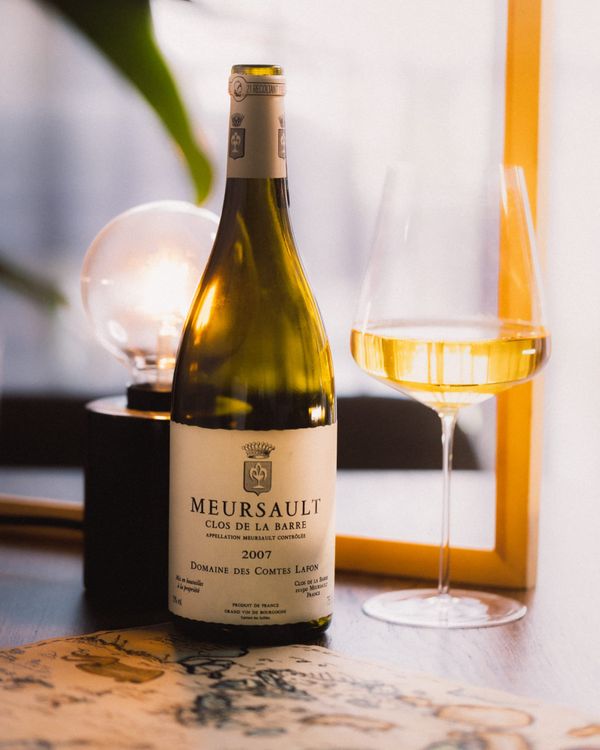
Haut-Médoc, 2015. Under $50, eleven years old. It is well made, and I have no complaints. It is not extraordinary. It is a good wine, and I'd drink it again on a Tuesday without thinking twice.
Here's the full story, and why I nearly gave up on Bordeaux fifteen years ago.
What was not talked about often enough
Cheap Bordeaux doesn't mean bad Bordeaux. It usually means young Bordeaux.
That's economics. Nobody keeps a fifteen-year-old unclassified bottle in inventory because you can't make money warehousing it, especially not in Singapore, as storage costs run high. So the affordable part of the shelf is always full of young Bordeaux, which is harder to drink. My first bottle was young, tight, shy, and tannic, and I decided Bordeaux wasn't for me. Because I was drinking it at the wrong time.
You have two options. Patience, years in your wine fridge. Or a decanter for a few hours, which gets you further than before because better winemaking and warmer years mean Bordeaux can be opened younger now. But it's never quite the same as some age.
Or you skip both and buy it with age. Somebody kept the bottle, maybe overseas, and imported it aged. This one turned up online in Singapore, 2015, at a normal price. Search the wine, check the vintages, and when an aged bottle shows up without a collector's price, that's the find.
The Bib Gourmand, and the noodle stall
On the label, look out for the words: Médoc is good. Haut-Médoc is the better neighbourhood. And Cru Bourgeois anywhere on the label means you've found the value.
Cru Bourgeois is the tier below the classified growths, and the name means what it sounds like: the Médoc's middle class. The Bordeaux wine council defines it by three things: quality, sustainable farming, and affordable prices. The estates make over 40% of all the wine the Médoc produces. It's been classified every five years since 2020, with blind tastings across five vintages. The current list has 170 châteaux at three levels: Cru Bourgeois, Supérieur, and Exceptionnel. Most are ready at four to eight years. The best go to fifteen, which is why this Corconnac at eleven drinks the way it does.
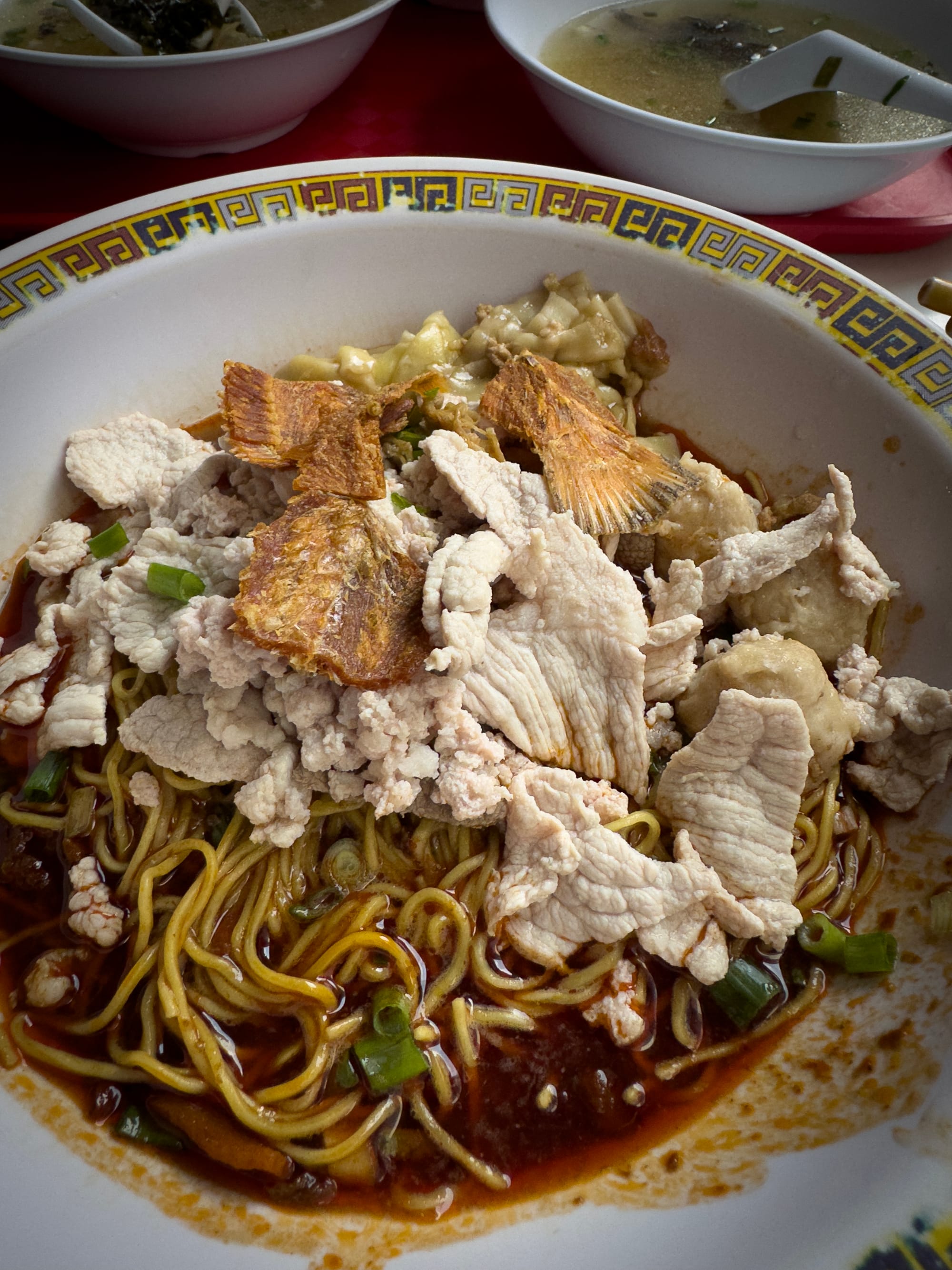
To me, Cru Bourgeois is the Bib Gourmand of Bordeaux. Good food, honest prices, the places that punch above what they charge. And here's the bit I keep turning over. The Michelin Guide used to only star a certain kind of establishment. It had to change. In Singapore today you can queue at a hawker stall and eat a one-star bowl of noodles for under $10. Nobody walks up to that stall expecting a restaurant. The star is for the cooking, and only the cooking.
Wine doesn't need to change. The people drinking it do. A well-made $50 Haut-Médoc is the noodle stall. Judge it by how it's made, open it on the right night, and it deserves more of our attention.
Where I'd look
This is the same thing I said about Burgundy. One bottle in a hundred is Grand Cru, more than half is Regional, and all anyone talks about only one. It’s the same in Bordeaux, because nobody gets excited writing about an unclassified Haut-Médoc. There's nothing to show off, nothing that lands the way a Palmer does, a third growth drinking above its rank with the whole room nodding. The regular bottle is unattractive to talk about, so that keeps the wines cheaper.
The guide I’d use is that the famous place sets the price. The land doesn't stop at the sign. So the village right next to it gets similar fruit, similar soils, and often the same people, at a fraction of the price. Moulis and Listrac are situated between Margaux and Saint-Julien, and they never got a single château into 1855 because the brokers of the day priced them lower, and they stayed that way for 170 years. Chasse-Spleen is in Moulis. I've drunk it a few times; it's as serious as plenty of classified growths, and it's the one I'd send you to first. Fronsac is a few kilometers west of Pomerol, same Merlot with the same clay, without the fame. The tell is who went there: Michel Rolland bought Fontenil for himself in 1986, and Patrick Léon, who made Mouton for twenty years, bought Les Trois Croix. Castillon is the Saint-Émilion plateau carrying on past the boundary, a few of the famous Saint-Émilion estates own and work vineyards in Castillon too.
I'll be honest about how much of this I've drunk. Chasse-Spleen, yes. Gloria, a few times at a tasting, and it stuck with me. Fronsac and Castillon, not nearly enough, and that's work I still have to do. I'm telling you where I'd look for good value and quality.
Why now
Bordeaux has gone out of fashion. Sales fell under three million hectolitres in the year to March 2026, the first time in decades, and the region is pulling up close to 30,000 hectares of vines. Fewer people are drinking it. Unclassified, well-made bottles sit on shelves at prices that make no sense next to what's in the glass.
I'll still open the great ones with friends. That's what they're for. But the Bordeaux I drink is this one, and I think more of us should.
Which affordable Bordeaux should I open next?